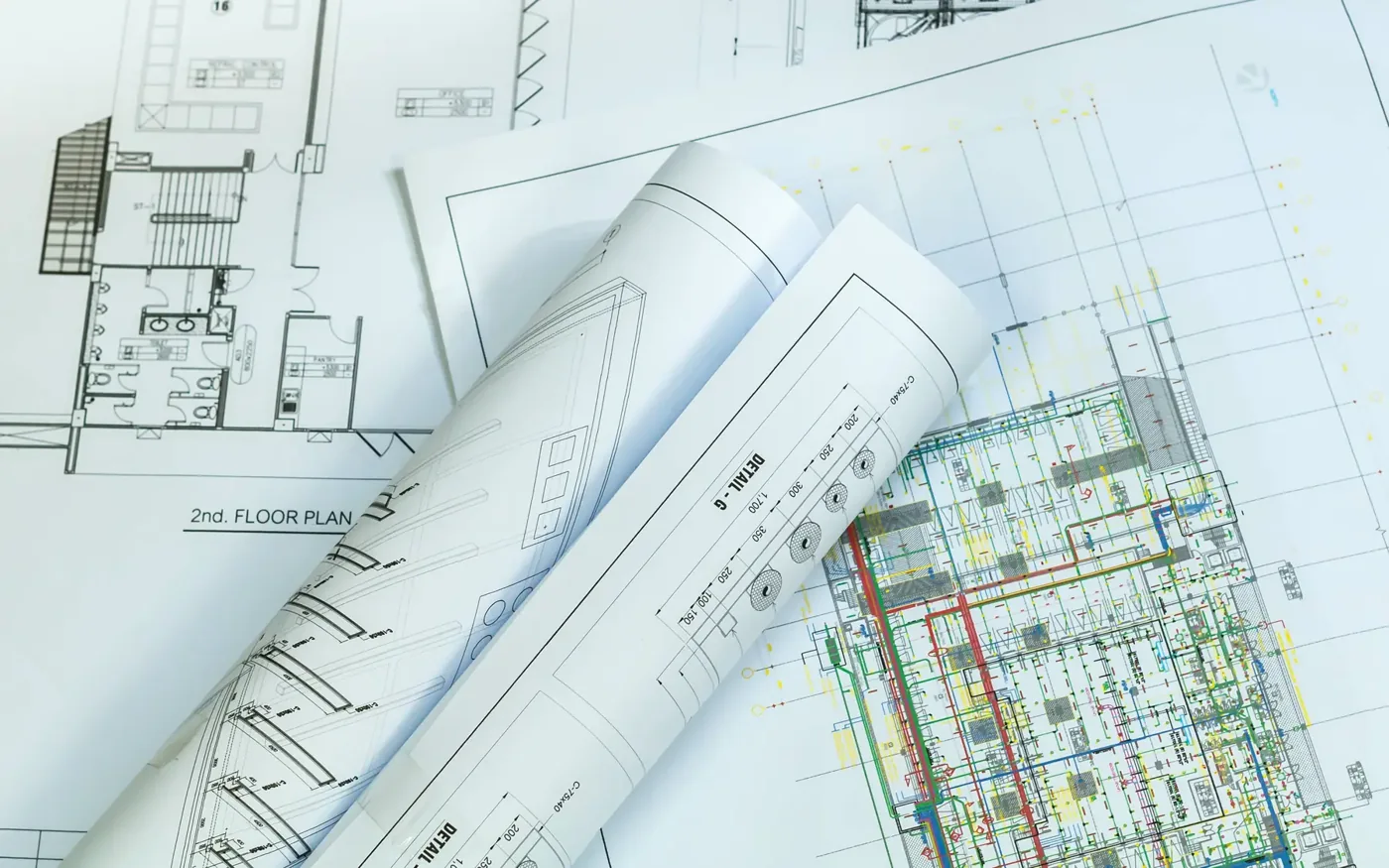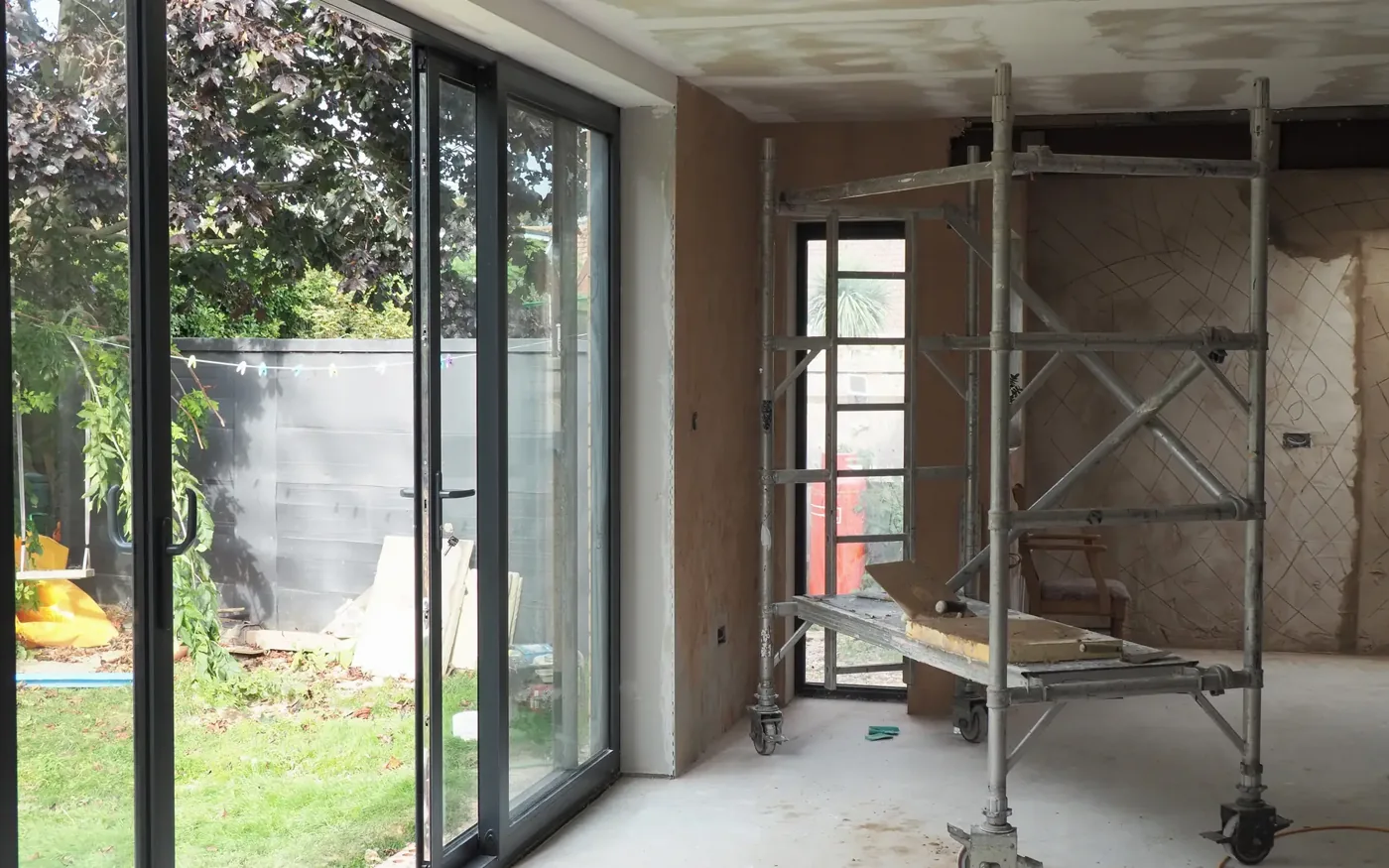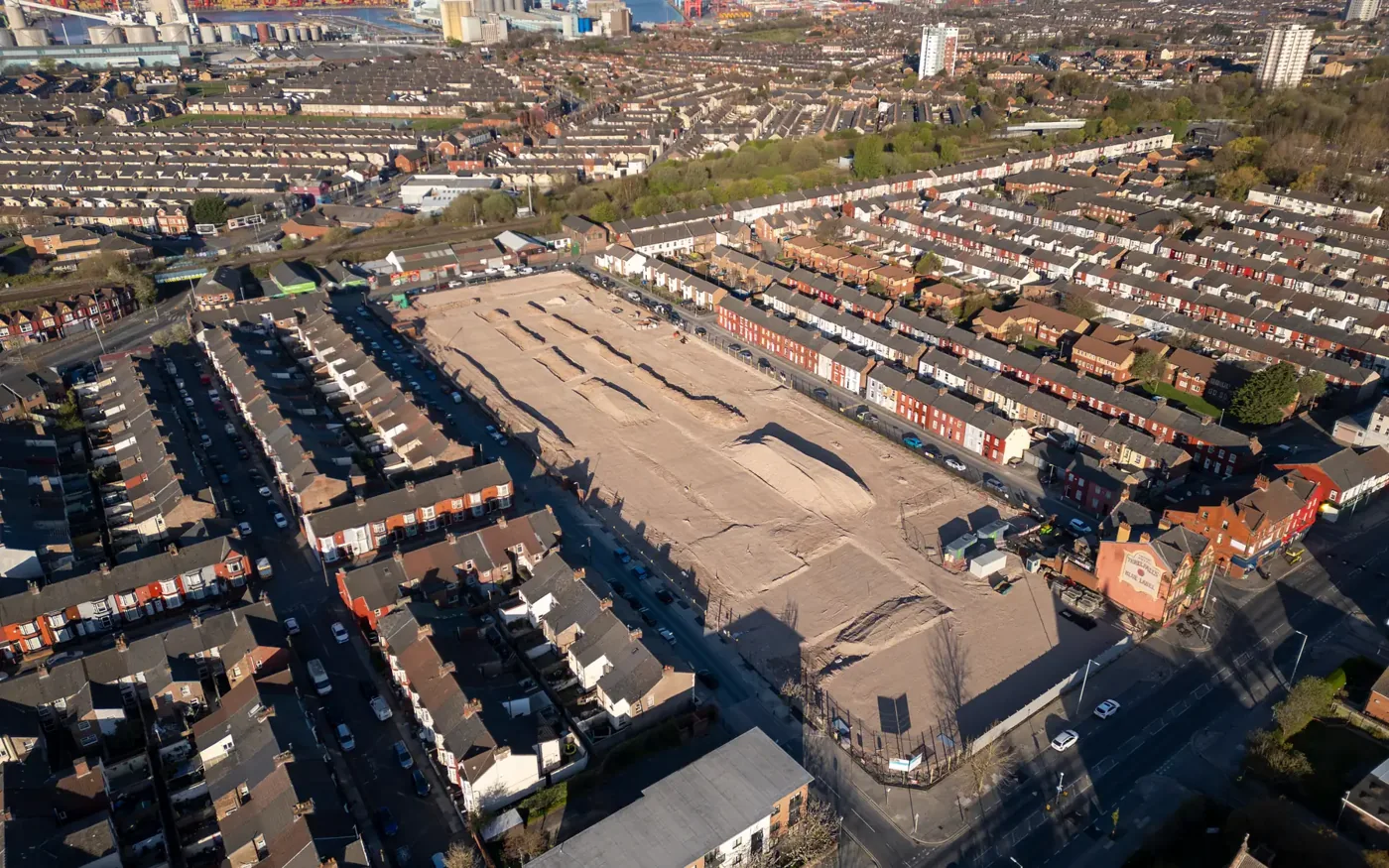
A narrow infill plot can be difficult to build on because the space needed for construction may be larger than the finished building footprint. Access, deliveries, neighbouring structures and the order of work can constrain a design that appears to fit neatly on a plan.
Plan how materials and equipment reach the work
Identify the actual access width, changes in level and any restrictions along the approach. Include the path from the delivery position to the work area, not only the entrance onto the plot.
A site may accept a delivery vehicle while having little space to unload or store its load. Ask the construction team to show where materials will be placed and how later deliveries will reach the building as the work progresses.
For infill housing development, provide photographs and available site measurements alongside the proposed layout. Highlight any access that depends on land outside the plot so that rights and access arrangements can be agreed before the build schedule relies on them.
Assess neighbouring structures and boundaries
Existing buildings may stand close to proposed excavation or new walls. Establish the position and, where necessary, the depth and condition of neighbouring foundations before deciding how the proposed excavation will be carried out. The designer needs to assess whether excavation could affect adjoining structures and whether temporary support, a revised foundation arrangement or a different construction sequence is required. These decisions depend on the ground conditions, proposed excavation and available structural information.
The government’s party-wall guidance for England and Wales explains the framework for relevant boundary work, work to party structures and certain nearby excavations. Whether a particular proposal falls within that framework depends on the work and circumstances.
Ask the project team to identify the relevant notices, agreements or other requirements and when each is needed during the build. A planning permission does not, by itself, establish the private rights needed for access or resolve every issue involving adjoining property.
Check what becomes inaccessible as the building rises
Construction sequence matters where there is little space around the completed walls. An area available for excavation or material movement at the beginning may disappear when the structure is built.
Ask how foundations, drainage, external finishes and service connections will be completed in the proposed order. Drainage alignment deserves particular attention: establish where existing and proposed drains run, the required connection points and whether excavation and pipe installation can be carried out with the available working space. A drain layout that fits the finished site plan may still conflict with foundations or become difficult to install once boundary walls are built.
Identify which drainage runs, service connections and external finishes must be completed before later stages restrict access. The construction sequence should also explain how these works can be inspected or tested before trenches are backfilled or other construction conceals them.
The same review should consider future maintenance. A detail that can be installed during construction may still need an assessed way to inspect or maintain it once the adjoining spaces are occupied.
Use the constraints to refine the design
The response may involve a different footprint, construction method or sequence. Compare those options with the access and neighbouring-building information in view, rather than treating logistics as a separate problem to solve after design.
- Which access and storage assumptions support the proposal?
- What neighbouring structures need assessment?
- Which activities depend on completing earlier work in a particular order?
- What rights or approvals remain to be established?
A clear construction plan helps explain the work and build sequence behind an infill quotation. It also makes it easier to compare a slightly revised design with one that fits the desired footprint but creates unresolved access or sequencing demands.