Demolishing and rebuilding a house can introduce a different set of decisions from major renovation, including demolition planning, a new structural design and service connections. Renovation can be equally demanding where retained parts constrain the work. The comparison needs to address the actual building and proposed outcome.
Define what renovation would retain
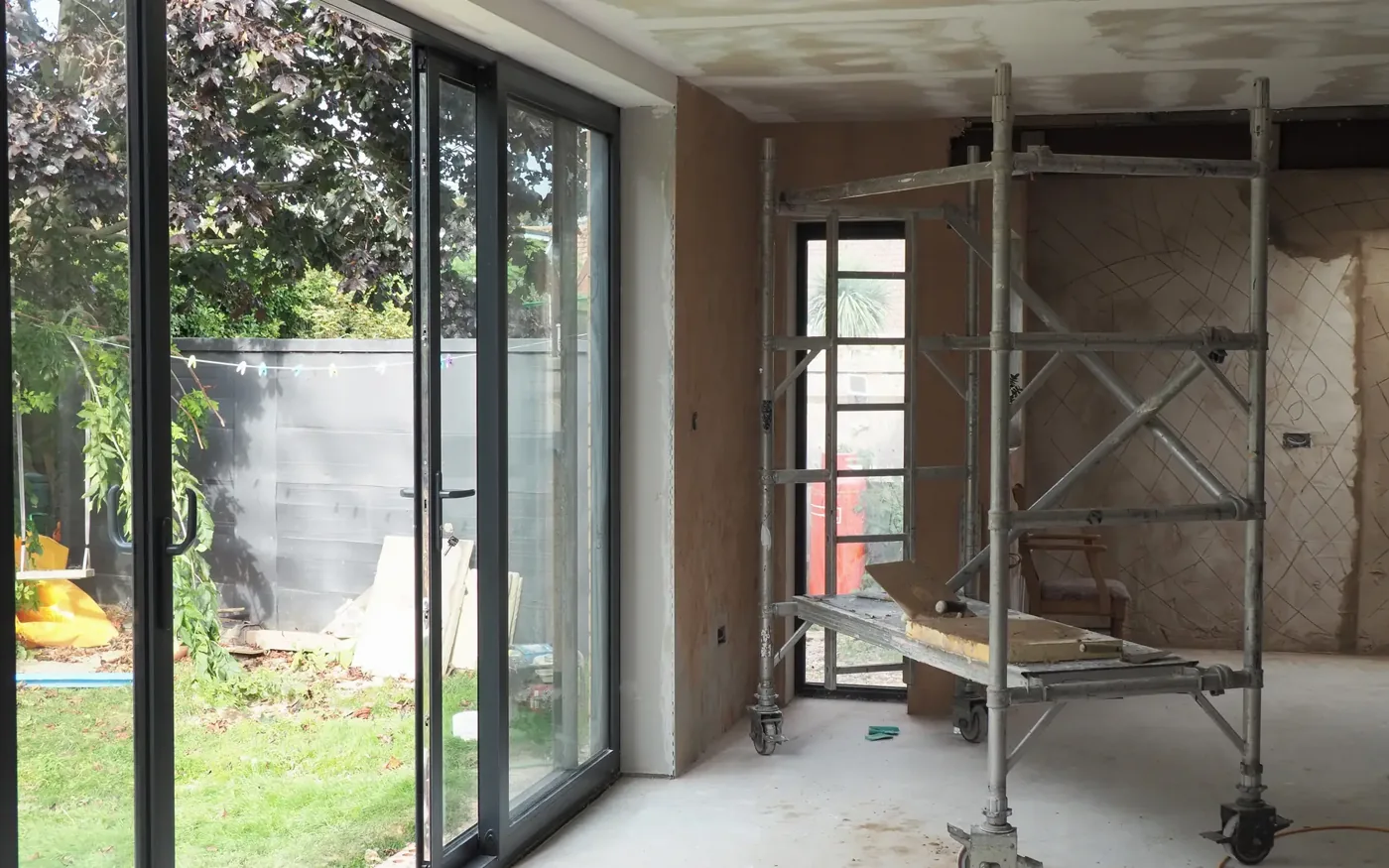
Identify the walls, floors, roof and foundations intended to remain. Ask the designer what information is needed to establish their condition and suitability for the proposed changes, including any investigations of concealed construction.
Keeping part of a building may preserve useful structure while also fixing levels, dimensions or support positions. The renovation proposal should explain those constraints and any work required to adapt the retained elements.
For projects in England, Approved Document A covers structural loading and building elements. Both retained structures and new work need an assessed design basis appropriate to the proposal.
Describe the replacement project beyond the new house
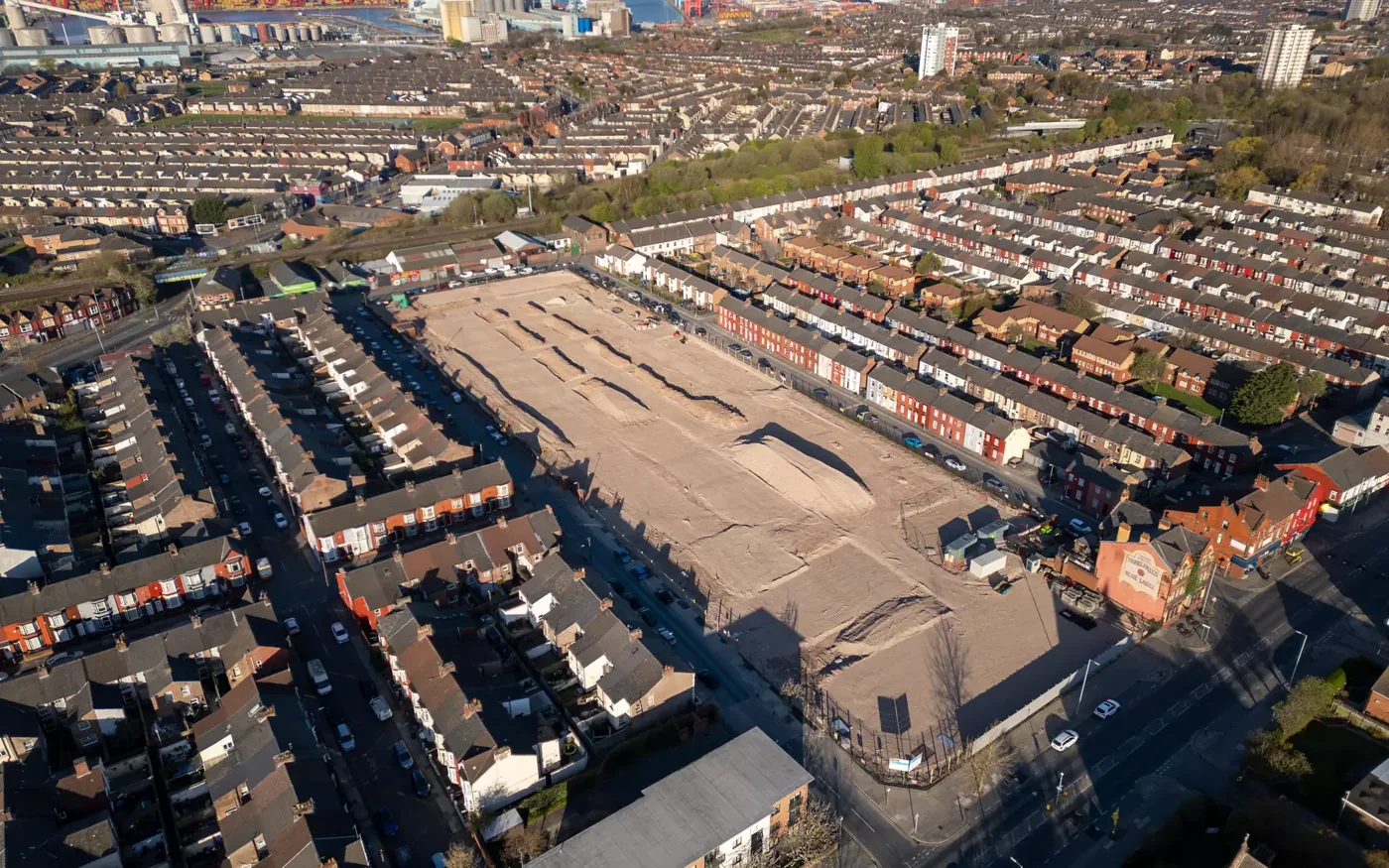
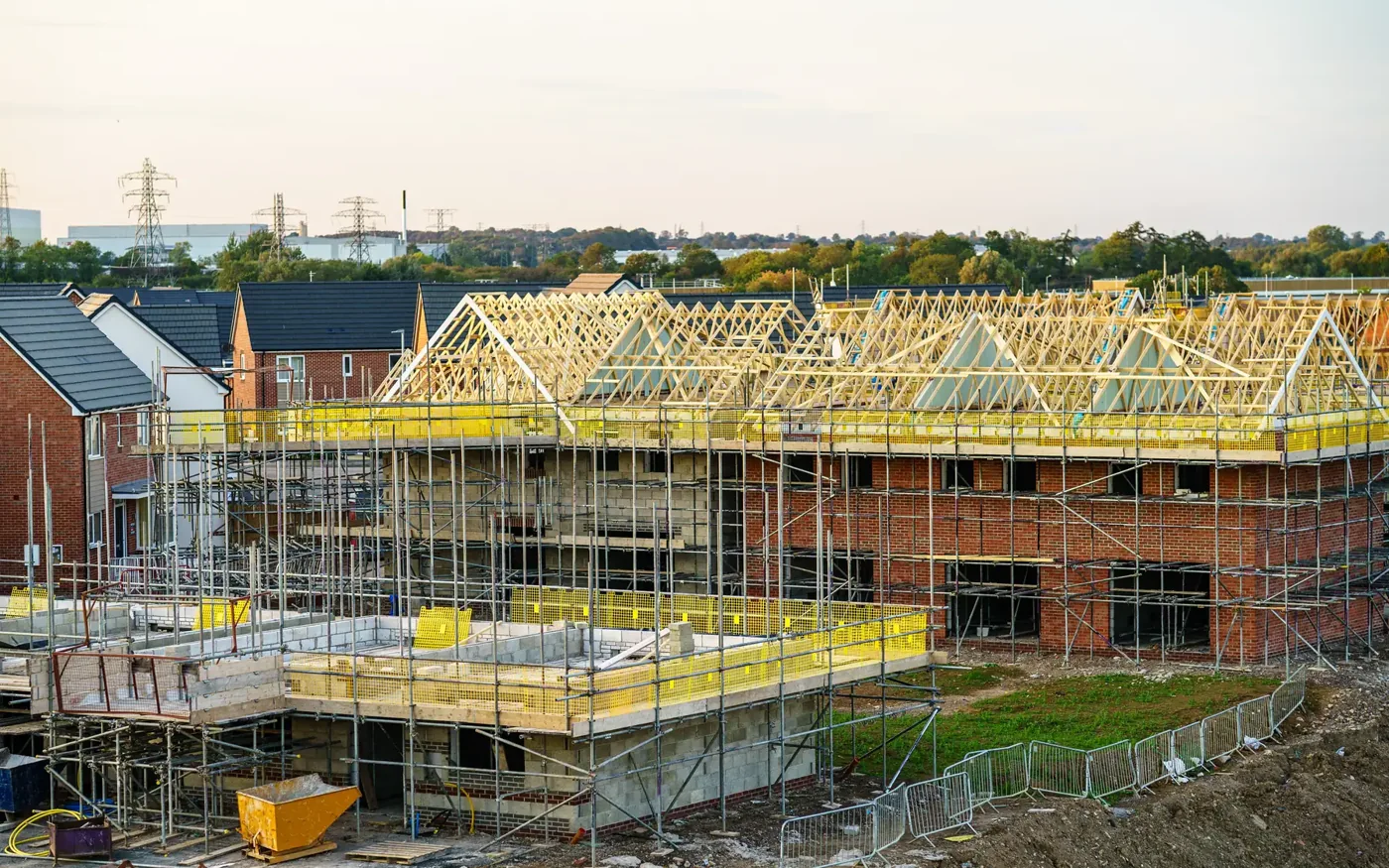
A replacement proposal needs to include the work required before construction can begin. That can involve surveys, demolition arrangements and coordination of existing services, alongside the design and approvals for the new dwelling.
The plan should identify which investigations are needed and how their findings affect the build sequence and timing. Before demolition, establish what structural information is available, which services must be disconnected or protected and whether neighbouring structures could be affected. The demolition sequence should distinguish preparatory investigations, service isolation, removal of the existing structure and preparation for new foundations. Where relevant, the plan should identify any temporary support, retained features or access constraints that affect the order of work. An assumption that the site will simply be cleared leaves unanswered questions about the existing building and its connections.
For replacement dwelling construction, provide the existing property information and proposed accommodation together. This allows the project team to compare full replacement with a defined renovation option.
Compare approvals, occupation and project roles
The planning and building-control position needs assessment for each option. The fact that a house already occupies the site does not establish approval for a particular replacement design or for every alteration proposed under renovation.
Consider where the household will live during the work and which parts of the property, if any, could remain usable. Those arrangements should follow the assessed construction plan rather than be assumed from the label attached to the project.
HSE’s domestic-client guidance for Great Britain explains how construction-client duties are normally carried out by the contractor or principal contractor, with provision for a written arrangement with the principal designer. Confirm the project roles and appointments for the chosen option.
Compare the same finished outcome and included work
Ask both proposals to identify the accommodation and performance they are intended to deliver, their assumptions and any exclusions. A renovation price and a replacement price may otherwise cover different finishes, services or external works.
- Which retained elements have been assessed and on what basis?
- What enabling and service work is included in replacement?
- Which approvals and investigations remain outstanding?
- How do occupation arrangements and construction stages differ?
The result may favour either approach. A documented comparison gives the owner a clearer basis for the decision than a general claim that renovation is always simpler or replacement always offers better value, regardless of the property and proposed work.